The context: time to move
Movebuddy, an initiative of StorageVault Canada, was conceived as a lead-generation tool for the company’s core storage business, a way to capitalize on the natural link between storage and moving, and take some of the stress out of moving house.
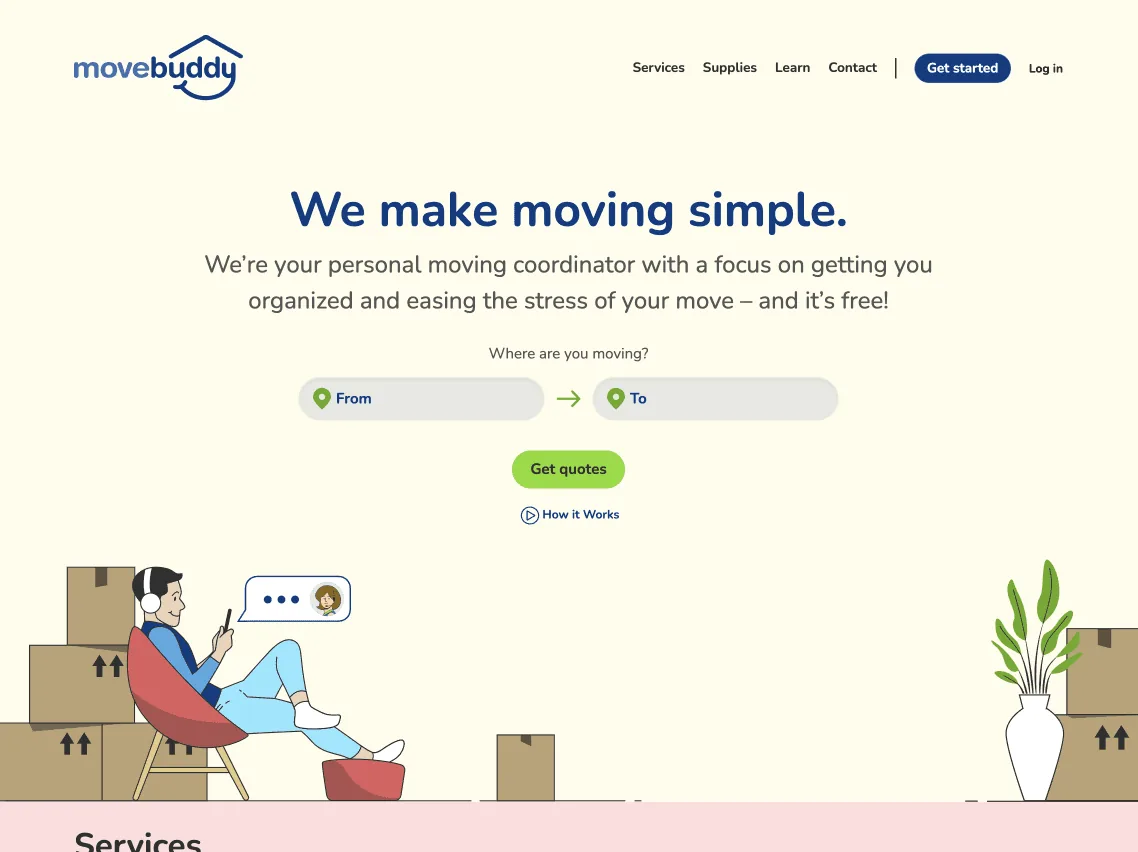
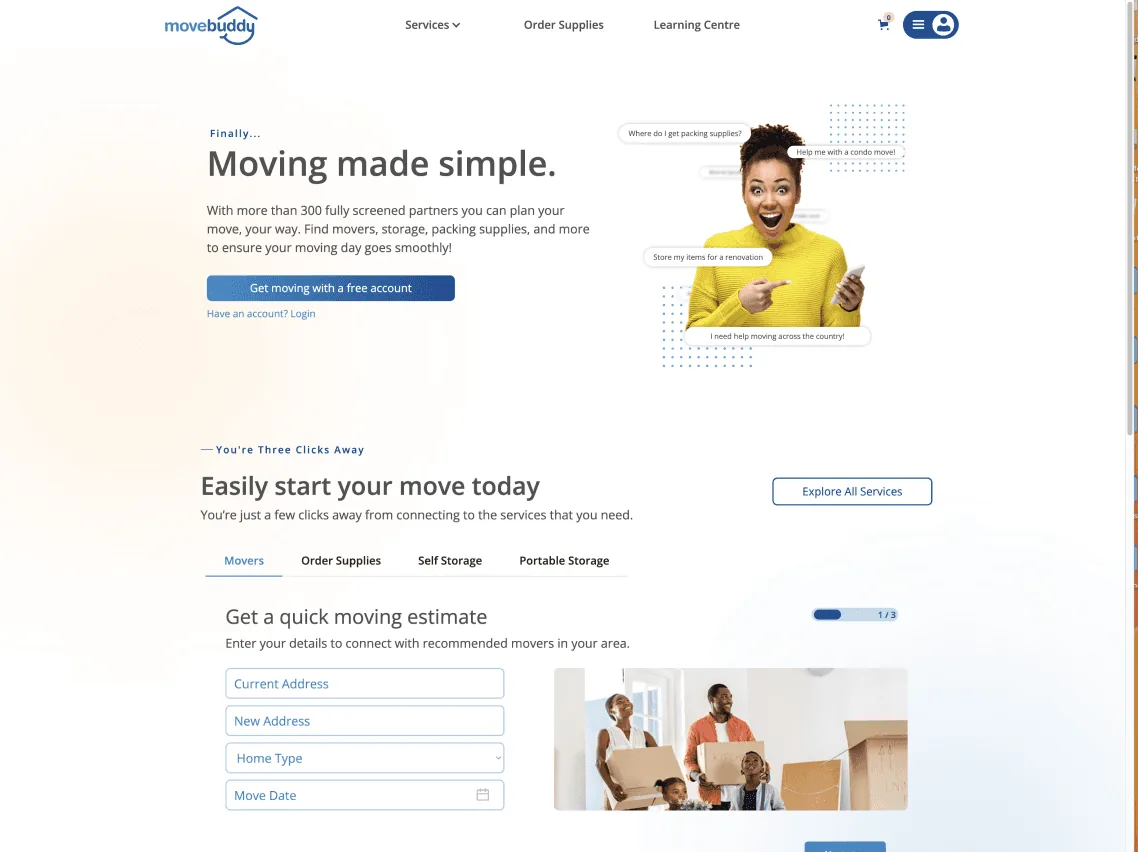
The application that existed when I joined was poorly designed, had a weak brand, and was a disjointed experience with no returning users. It wasn’t helping people move, and it wasn’t returning enough value to the business to justify itself.
My role: chickens, eggs, and ambitious evolutions
I joined in May 2023, fresh off a headless CMS rebuild for Cubeit.ca, StorageVault Canada’s primary revenue generator. A team of seven had been working on a new version of Movebuddy for months, but things were stuck: no clarity on what a viable MVP looked like, features shipping into a confusing overall experience, and usability testing that wasn’t landing.
My initial assessment: a talented team, an ambitious executive, a beautiful new brand. And a flawed product strategy, a collection of disjointed features, and no clear solution to a deep demand-side pain point. The rebrand was done. The product underneath it wasn’t.
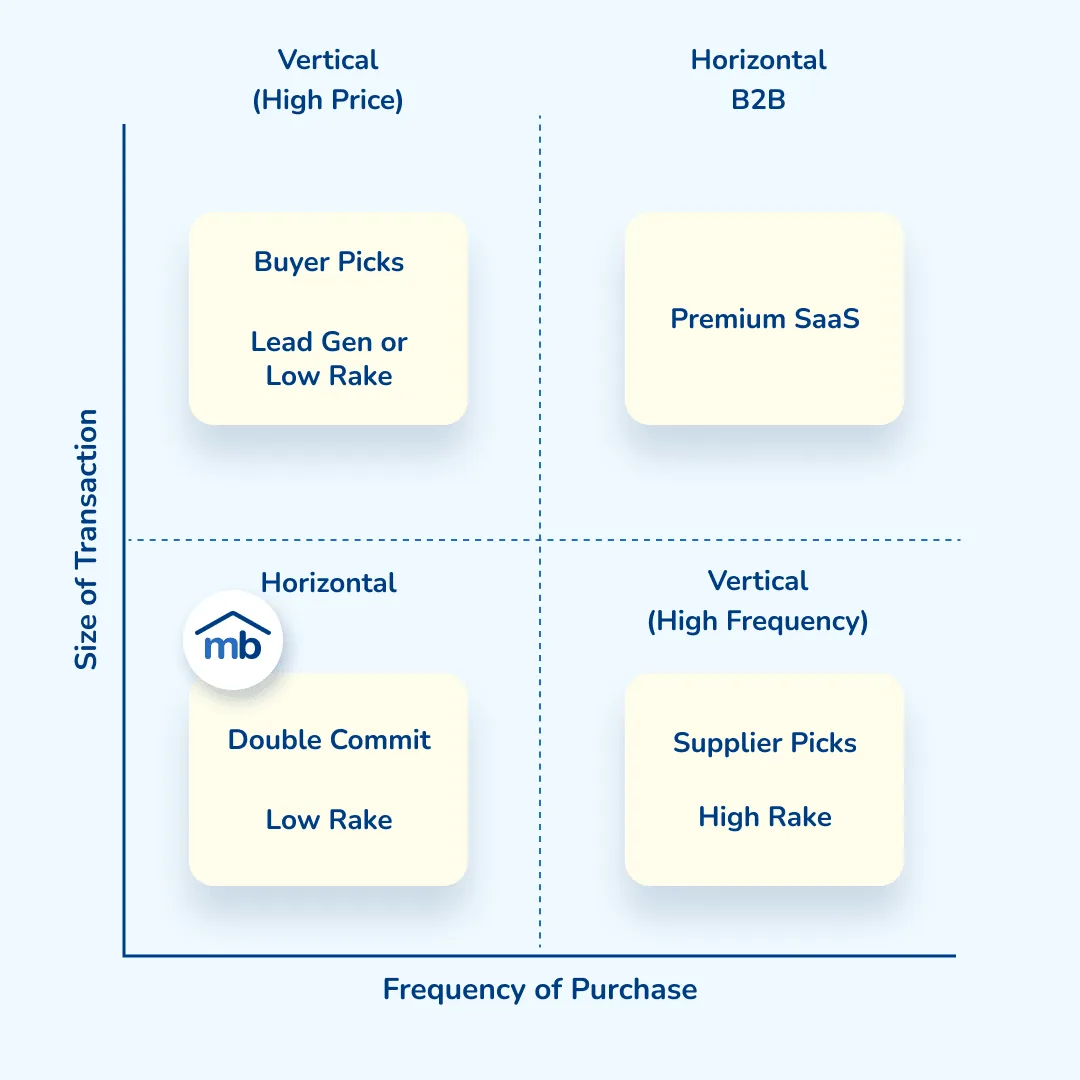
Marketplaces are among the hardest business models to execute: you’re solving the chicken-and-egg problem on both sides of the transaction at once. Movebuddy’s original promoted-listing revenue model wasn’t going to be lucrative enough, given how little moving companies differentiated themselves from each other. Getting the business model right meant first understanding the actual friction, on both sides.
The problem: jobs, pains, and points of friction
Primary research in jobs-to-be-done (JTBD) interviews and client workshops, plus secondary research (candid Reddit threads, and the widely-shared observation that moving ranks alongside divorce for stress), made the shape of the problem clear.
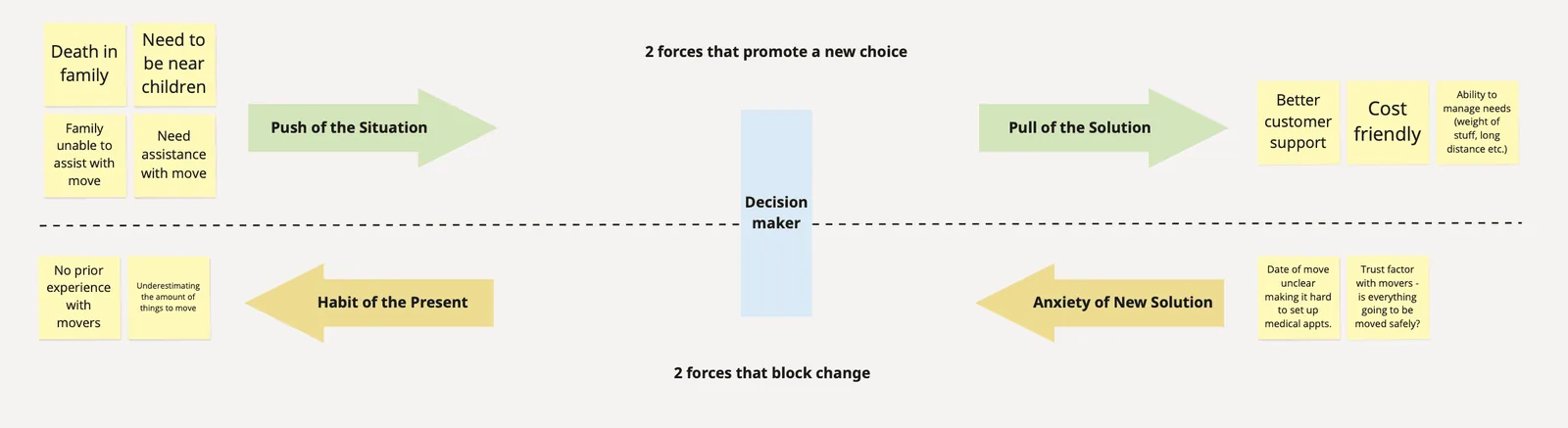
For people needing to move: trust in moving companies was low, the process of finding one was complicated and painful, and moving itself was one of the most stressful events most people go through.
For moving companies: almost no differentiation between competitors, opaque pricing, poorly designed websites (56% struggled to execute basic marketing), and lead generation that was expensive and inefficient even though most of them were already spending on it.
Movebuddy sat exactly at the point where both sides’ problems could be solved by the same redesign: a marketplace with a low-rake, high-trust model, not another promoted-listings board.
The solution: start at the end
We used Amazon’s “working backwards” method, writing the press release before building the product, to align the team on a single customer-first vision. Three product decisions came out of it:
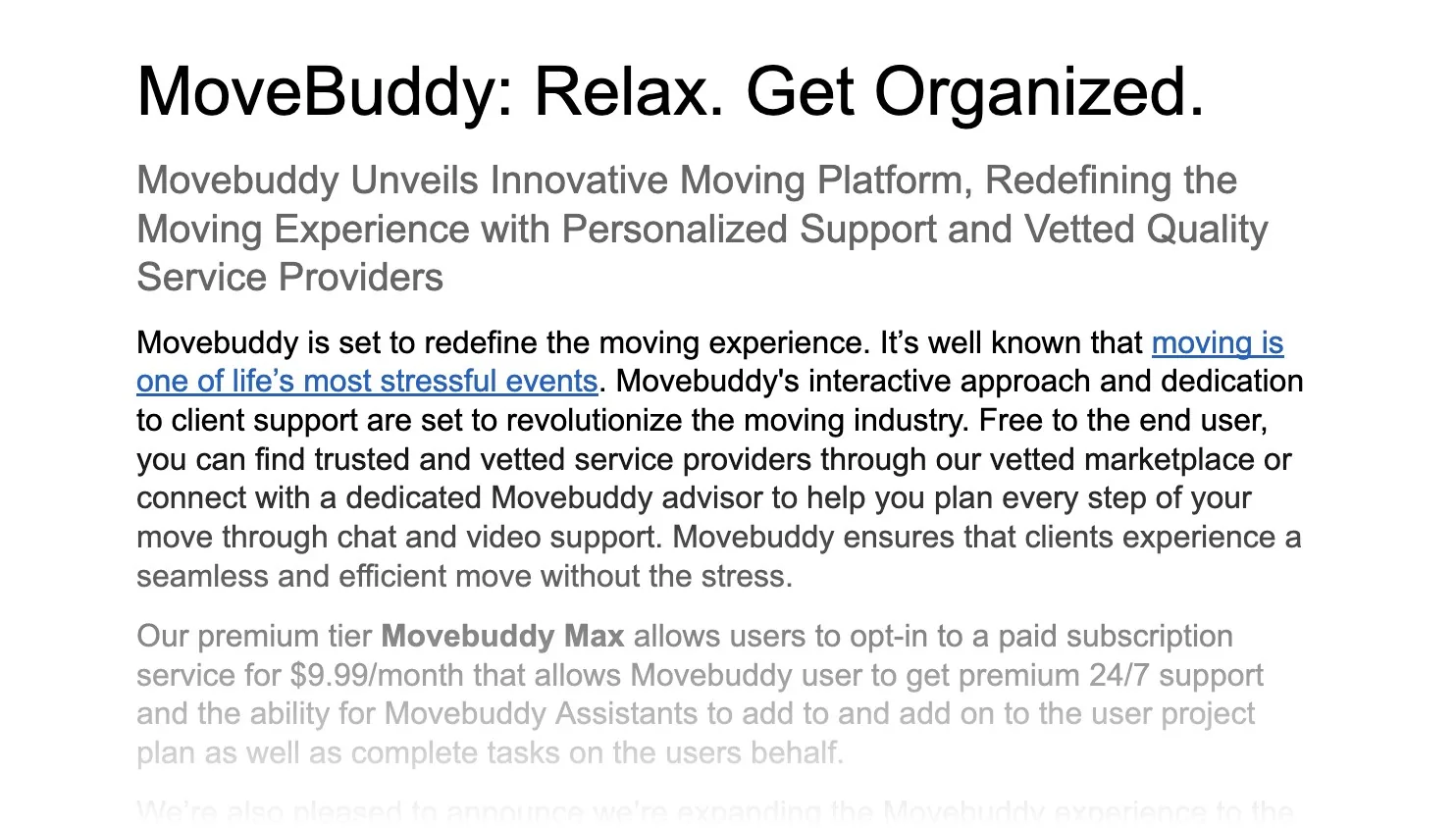
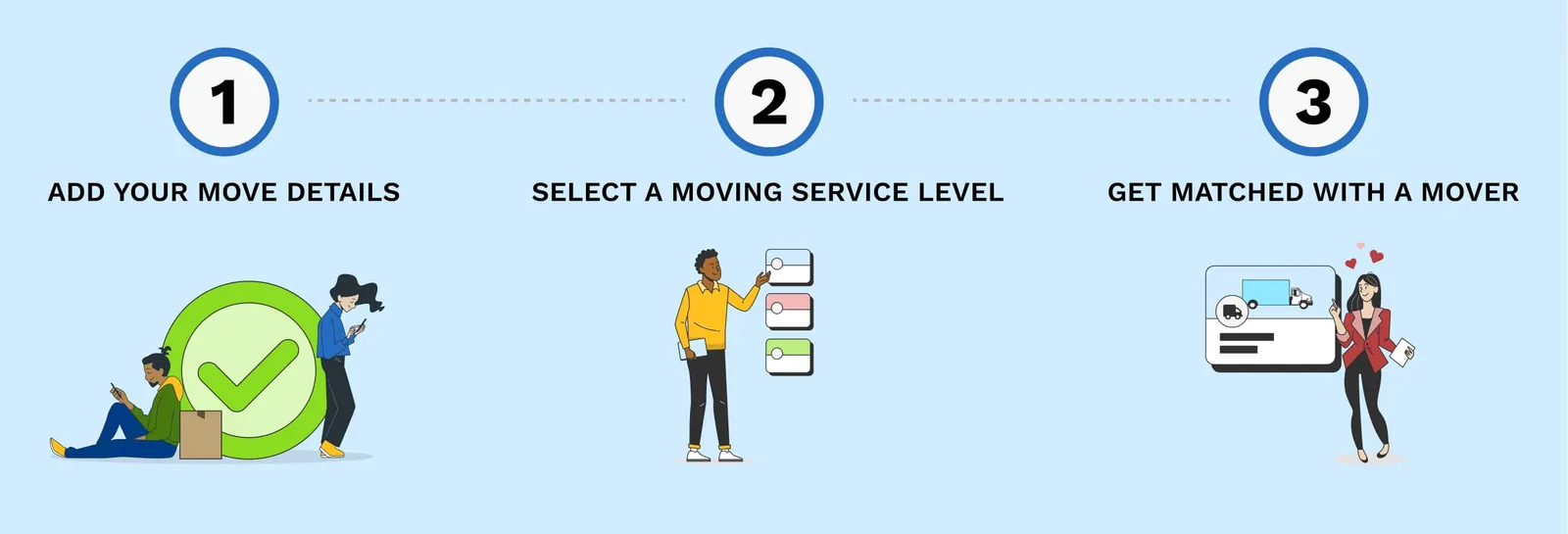
- Streamlined quote process: a short questionnaire, instant quotes, no back-and-forth.
- Support the extended journey: every customer gets an assigned advisor (their “Movebuddy”) rather than a form and a phone number.
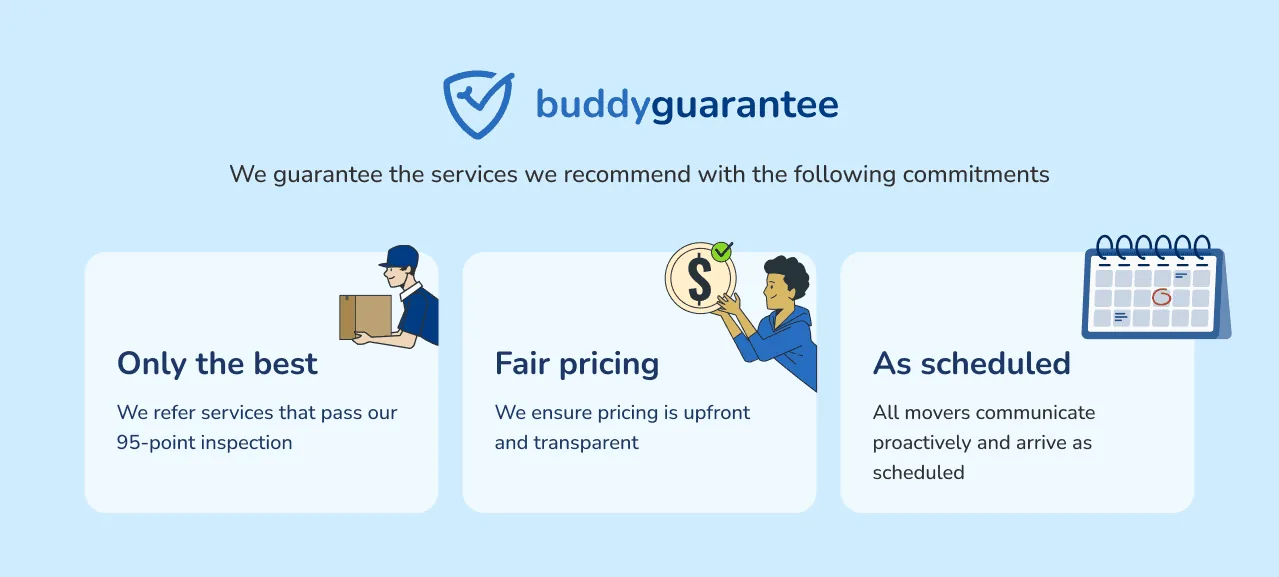
- Peace of mind by design: pricing transparency, real communication, and a public “buddyguarantee.”
The results
Movebuddy launched as a rebuilt marketplace, with a new brand, a new stack, and a new business model, in just over six months. It hit a 12% conversion rate in its first 30 days, well above the 2-5% benchmark for comparable marketplaces, and has kept five-star Google reviews from both moving-company partners and customers since. The team has since taken the underlying strategy and scaled it into adjacent revenue opportunities.